
Why Trade Approved Scales Are Essential for Modern Businesses
When it comes to running a business that deals with goods, accuracy isn’t just a benefit—it’s a legal and financial necessity. Whether you manage a retail store, warehouse, logistics hub, or manufacturing unit, having the right weighing equipment in place is vital. This is where Trade Approved Scales step in. They are designed and certified to ensure that every measurement you make is fair, reliable, and legally compliant.
What Are Trade Approved Scales?
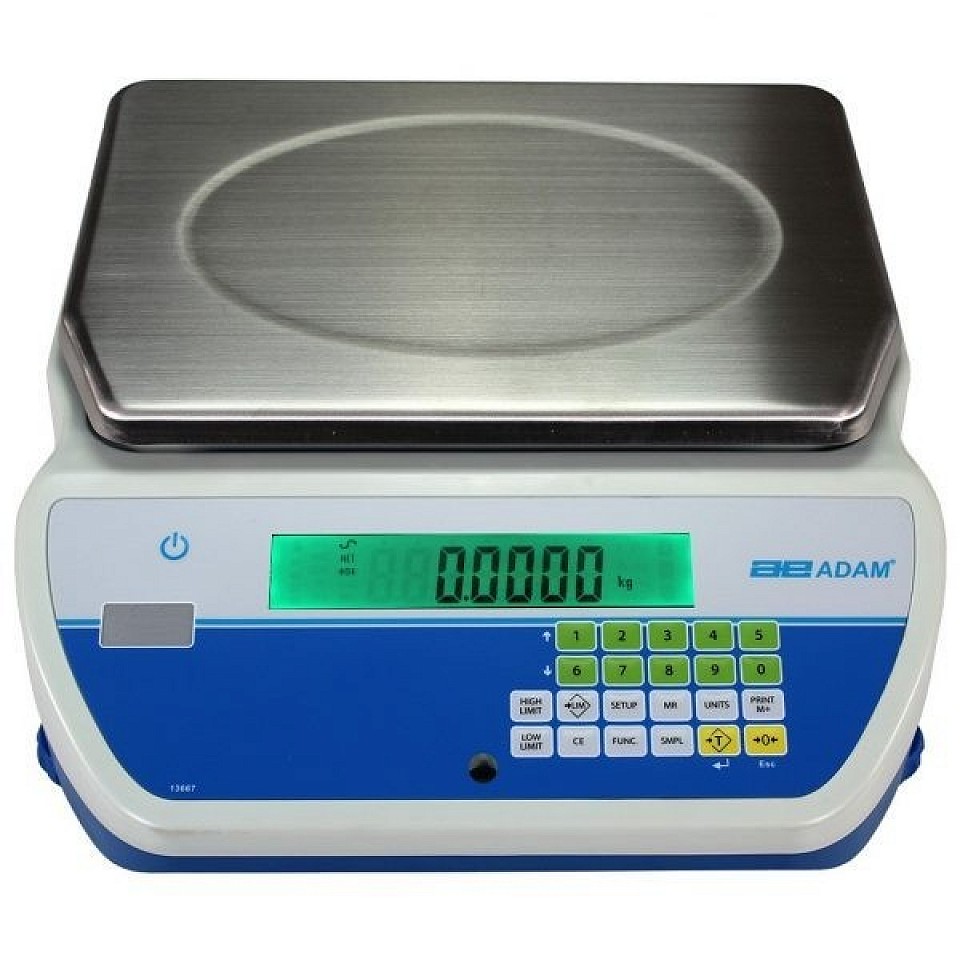
Trade Approved Scales, sometimes called “verified” or “stamped” scales, are weighing devices tested and certified to meet official accuracy standards. They carry a government-approved mark that indicates they have passed rigorous checks. This certification is crucial when products are sold by weight, as even the smallest inaccuracies can affect trust, compliance, and profit margins.
For example, if a butcher sells meat by the kilo or a bakery sells flour in bulk, the scales used must be legally approved. Without this certification, the business could face penalties or customer disputes. In short, Trade Approved Scales are not optional—they are a requirement.
Why Businesses Need Trade Approved Scales
Legal Compliance
Many industries are required by law to use Trade Approved Scales when goods are priced by weight. Using non-approved equipment can lead to fines, reputational damage, and even legal action.
Accuracy and Trust
Customers want to know that they are getting exactly what they pay for. Trade Approved Scales ensure transparency and build confidence in your business.
Protecting Profit Margins
Inaccurate weighing not only risks undercharging but can also lead to unnecessary product losses. Reliable scales safeguard your profits.
Professional Reputation
Businesses that use certified equipment signal professionalism and fairness, both of which enhance their reputation in competitive markets.
Different Types of Trade Approved Scales
Trade Approved Scales come in various designs to suit different industries. Some of the most commonly used include:
- Retail Scales – Perfect for shops and market stalls where items are sold directly to customers.
- Bench Scales – Ideal for smaller items and packaging stations.
- Industrial Floor Scales – Designed for warehouses and factories dealing with heavy loads.
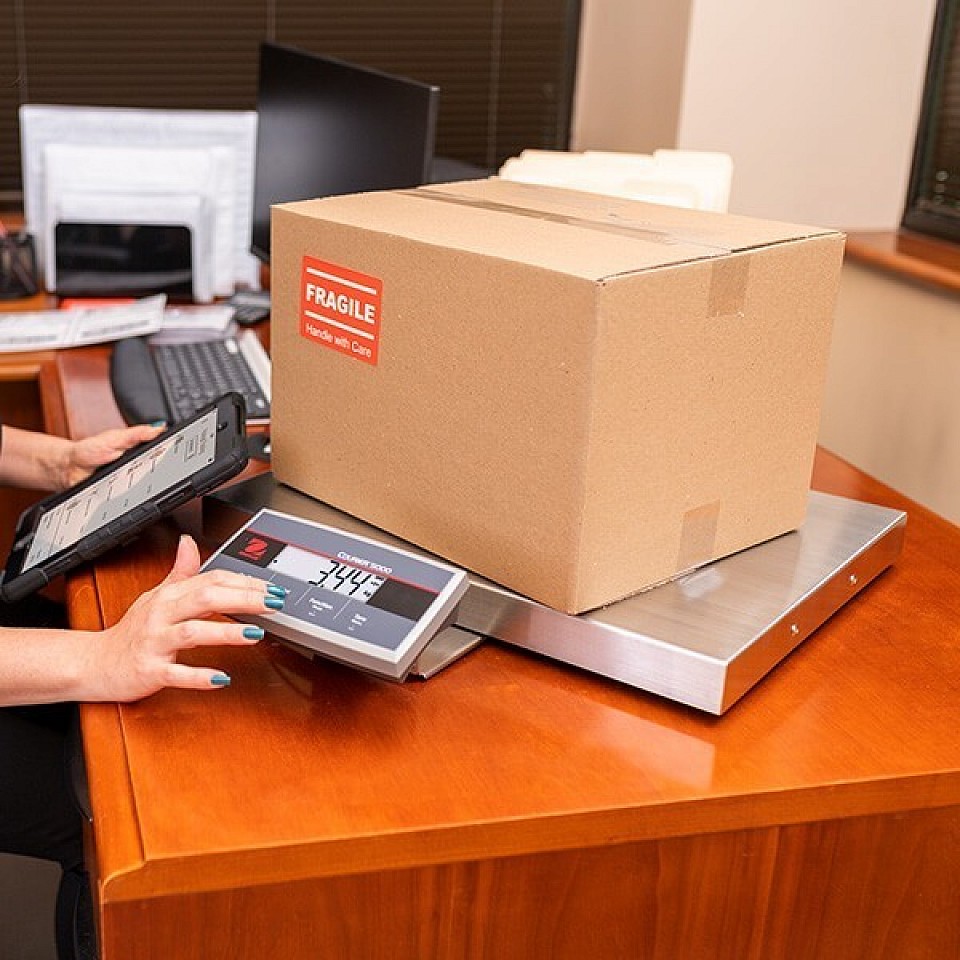
- Parcel Weighing Scales – Essential for courier services, postal companies, and e-commerce businesses to ensure accurate shipping costs.
Each of these categories ensures that regardless of your industry, you can operate within regulations while maintaining efficiency.
How Trade Approved Scales Differ From Standard Scales
While standard digital or mechanical scales may look similar, they don’t carry the certification needed for trading transactions. Non-approved scales may be suitable for internal checks, but the moment you sell goods by weight, they are no longer acceptable. Trade Approved Scales guarantee precision, reliability, and legal acceptance.
Think of it as the difference between using an ordinary calculator at home and one certified for financial auditing. Both may give you a result, but only one is recognized officially.
The Role of Parcel Weighing Scales in Logistics
In today’s e-commerce-driven world, Parcel Weighing Scales play a major role in daily operations. Accurate parcel weights ensure fair shipping costs, prevent disputes, and streamline dispatch processes. When combined with Trade Approved certification, these scales also guarantee compliance for businesses charging customers based on parcel weight.
Whether you’re a small online retailer or a large logistics firm, reliable parcel weighing helps you save time, money, and customer frustration.
Key Features to Look for in Trade Approved Scales
When investing in Trade Approved Scales, businesses should consider the following features:
Certification Marks – Ensure the scale carries an official government or EU verification mark.
Durability – Choose equipment built to withstand your working environment, whether that’s a shop counter or an industrial warehouse.
Ease of Use – User-friendly displays and simple calibration help improve efficiency.
Integration – Many modern scales connect with POS systems, stock management software, or logistics platforms.
Why Invest in Quality Scales?
While budget options may seem appealing, high-quality Trade Approved Scales are an investment in your business’s future. They last longer, require fewer repairs, and provide consistent results. More importantly, they protect your business from legal issues and maintain customer trust.
Consider this: one inaccurate reading can multiply into thousands in losses or disputes over time. A reliable scale quickly pays for itself in accuracy, compliance, and peace of mind.
Maintaining and Servicing Your Scales
Even certified scales need proper care. Regular servicing and calibration checks are vital to keep them functioning accurately. Many businesses schedule annual or bi-annual inspections with service providers to ensure compliance.
Ignoring maintenance not only risks inaccurate readings but may also invalidate the scale’s certification, leaving your business exposed.
Final Thoughts
Trade Approved Scales are more than just equipment—they are the backbone of fair trading and legal compliance. From retail counters to warehouse floors, their role in ensuring accuracy and trust cannot be overstated. Businesses that invest in certified scales protect themselves, their customers, and their reputation.
If your business is looking for reliable weighing solutions, including Trade Approved Scales and Parcel Weighing Scales, choosing a trusted supplier makes all the difference.
That’s why Scales and Balances is committed to providing high-quality, certified weighing equipment tailored to your industry. With expertise, durability, and customer support, they ensure your business always stays accurate, compliant, and ahead of the competition.
